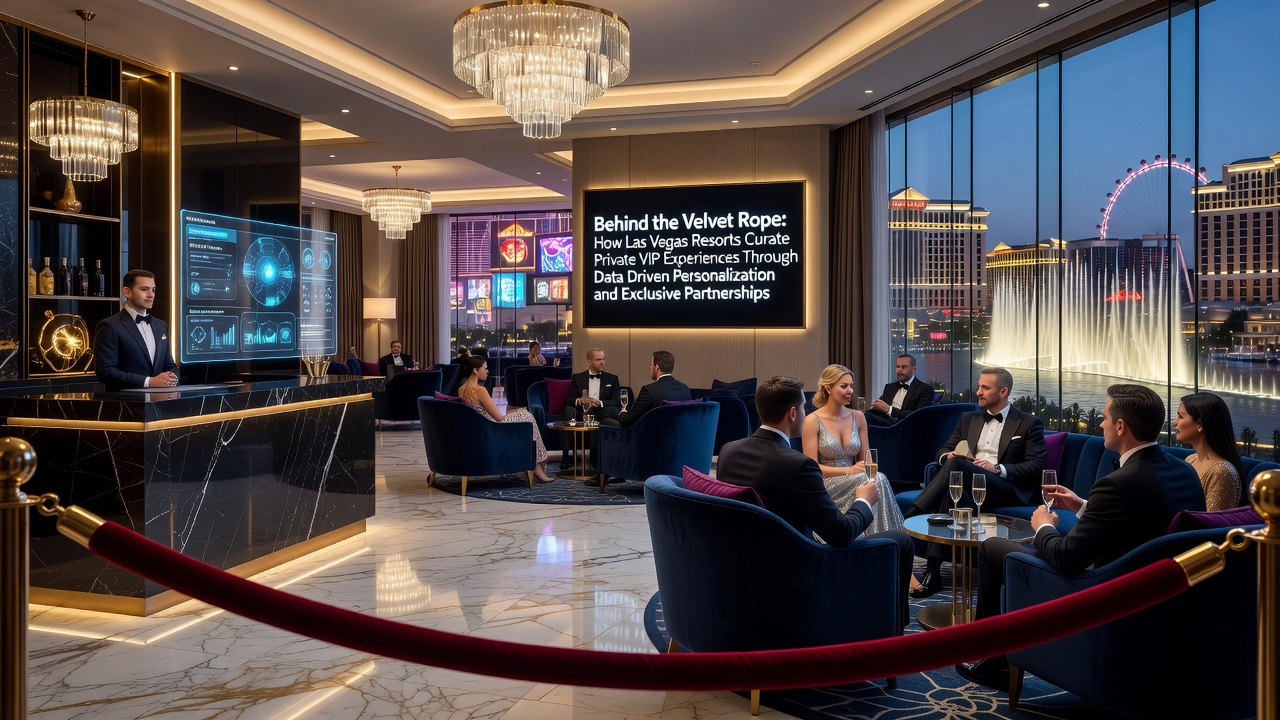
Behind the Velvet Rope: How Las Vegas Resorts Curate Private VIP Experiences Through Data Driven Personalization and Exclusive Partnerships
Las Vegas resorts maintain elaborate systems that track guest preferences across multiple visits, and these systems feed into algorithms that shape everything from room assignments to table game invites. Data collection starts at the moment a guest joins a loyalty program, where details about spending habits, dining choices, and entertainment selections get recorded in centralized databases that update in real time. Resorts then combine this information with external data sources such as social media activity and third-party booking histories to build detailed profiles that guide the creation of tailored offers.
Data Collection and Analysis Frameworks
Properties integrate sensors on casino floors along with mobile app interactions to monitor movement patterns, and analysts review these patterns to predict which guests might respond to specific invitations. According to the Nevada Gaming Control Board, the state's casino industry processed over 42 million visitor transactions in 2025, with a significant portion tied to tracked loyalty accounts that enable precise segmentation. Resorts employ machine learning models that process this volume of information to identify high-value individuals early in their stays, and the models adjust recommendations based on factors like time of year and local event schedules.
Staff members receive dashboards that display aggregated insights rather than raw data, which allows them to make decisions about upgrades or complimentary services without manual number crunching. One major property on the Strip, for instance, uses these dashboards to coordinate with off-site partners so that a guest who frequently attends certain shows receives priority access notifications through the resort app. This approach reduces wait times and increases repeat engagement rates across the property portfolio.
Exclusive Partnerships Driving VIP Access
Partnerships with luxury brands and entertainment agencies supply the raw materials for curated experiences, and resorts negotiate multi-year agreements that lock in access to limited inventory such as private dining rooms or meet-and-greet opportunities. These arrangements often include clauses that require data sharing between the resort and the partner, which lets both sides refine their targeting strategies. A high-end watchmaker might provide early product previews to select guests identified through resort analytics, while the resort gains exclusive event space that competitors cannot replicate easily.
Observers note that collaborations extend beyond consumer brands to include transportation firms and private aviation operators, and these ties allow seamless transitions from airport arrivals to resort check-ins for qualifying guests. Data from these partnerships flows through secure channels that comply with state privacy regulations, and analysts cross-reference arrival times with historical spend to determine which amenities receive automatic activation upon landing. In July 2026, several properties plan to expand these networks further when new direct flights from Asian markets increase the pool of international VIP arrivals.
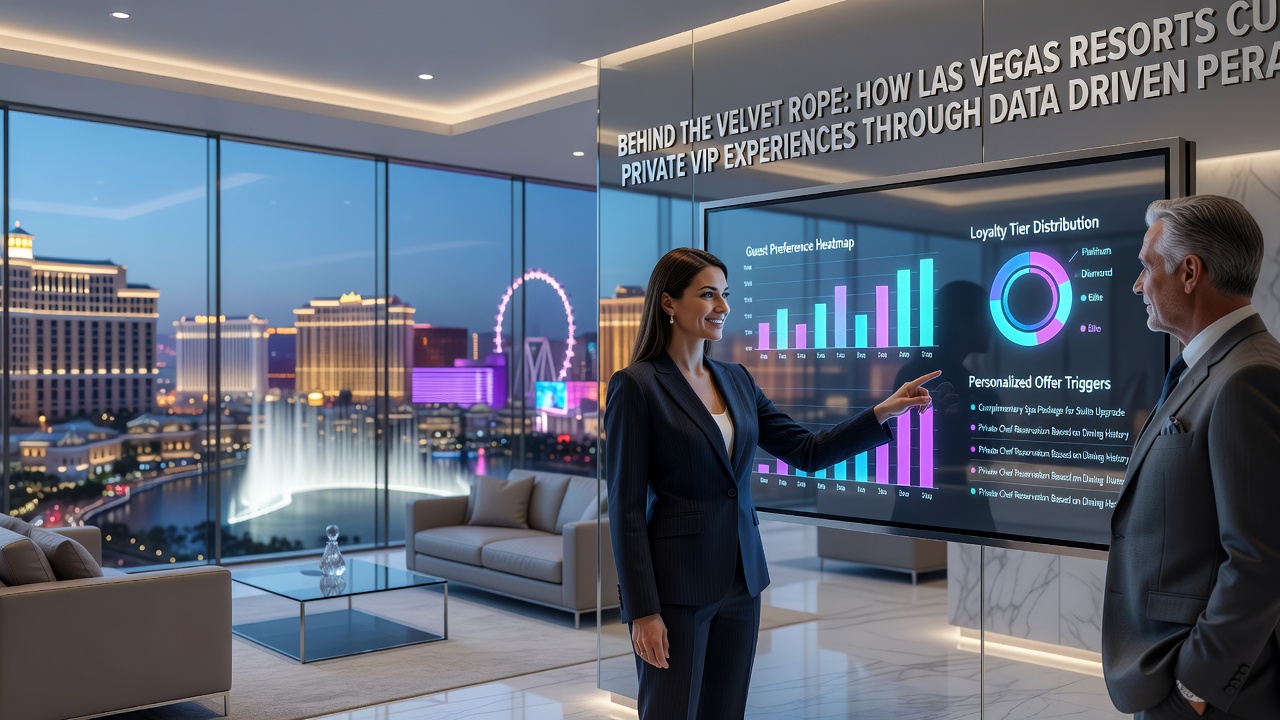
Personalization in Practice Across Properties
Implementation varies by resort group, yet common threads appear in how systems route guests toward preferred activities while maintaining operational efficiency. Bellagio, for example, routes certain high-frequency players directly to private gaming salons where table limits adjust based on real-time data feeds, and similar protocols appear at Aria and Wynn properties. Guests receive customized itineraries that incorporate spa bookings, golf tee times, and nightlife reservations, all generated from preference models that update after each interaction.
Research from the University of Nevada, Las Vegas Center for Gaming Research indicates that properties using integrated data platforms report higher retention among tracked VIP segments compared with those relying on manual tracking methods. The models account for seasonal fluctuations, and they factor in external events such as major conventions or sporting tournaments that draw additional high-net-worth visitors to the market. Resorts test these models through controlled rollouts before full deployment, which minimizes disruption to existing guest flows.
Technology Infrastructure Supporting These Systems
Underground server facilities and cloud-based analytics platforms handle the computational load required for continuous profile updates, and encryption protocols protect sensitive information during transmission between departments. Integration with property management software ensures that front-desk teams see the same unified profile that marketing teams use for outreach campaigns. Security teams also access subsets of this data to manage access control in restricted areas, and this shared infrastructure reduces duplication of effort across operational silos.
What's interesting is how these technical layers connect with human judgment, because algorithms flag potential opportunities while hosts make final decisions about execution. A guest profile might highlight a preference for vintage wines, yet the actual selection still depends on availability and staff knowledge of current cellar stock. This hybrid model keeps personalization grounded in operational reality rather than pure automation.
Conclusion
Las Vegas resorts continue to refine the balance between data utilization and personal service through ongoing investment in analytics tools and partnership networks. The systems described here operate across multiple properties simultaneously, and they adapt as visitor demographics shift and new regulatory requirements emerge. Those who track industry metrics report that the core mechanisms remain consistent even as specific technologies evolve.