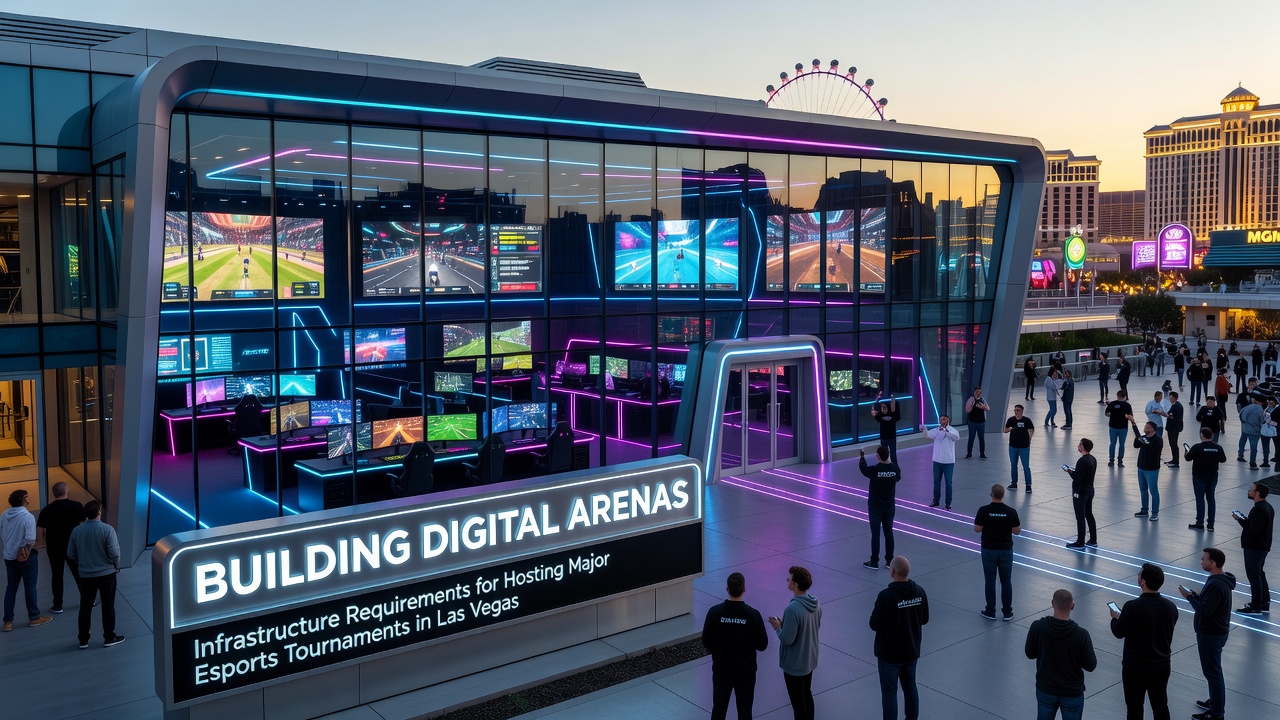
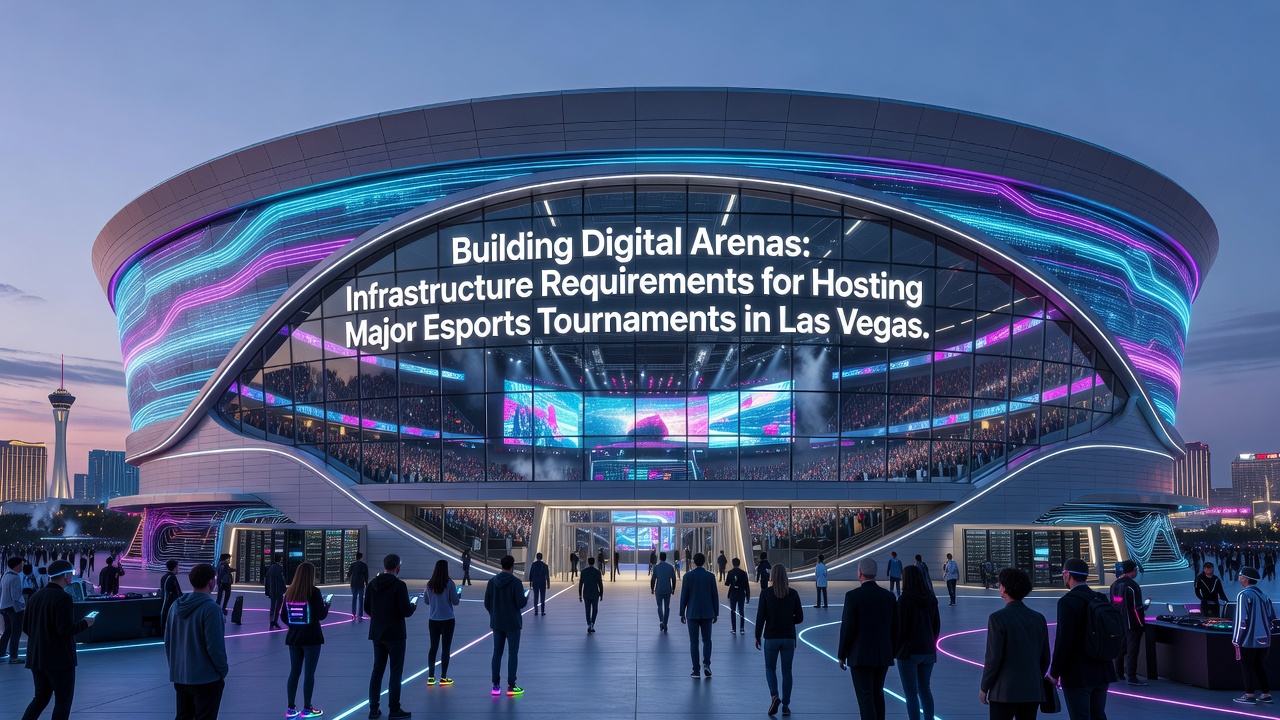
Building Digital Arenas: Infrastructure Requirements for Hosting Major Esports Tournaments in Las Vegas
Las Vegas has positioned itself as a hub for large-scale esports events, and infrastructure demands continue to evolve as tournaments grow in size and technical complexity. Venues must support thousands of simultaneous connections, low-latency gameplay, and real-time broadcasting while contending with desert climate conditions that affect cooling systems and power distribution.
Venue Layout and Physical Specifications
Facilities hosting major competitions require expansive floor plans that accommodate player stages, broadcast booths, and audience areas without compromising signal integrity. Research from university engineering programs shows that dedicated fiber pathways and raised flooring for cable management reduce interference during peak loads. In August 2026, several properties plan expansions that include modular arena configurations, allowing quick reconfiguration between different game titles and audience capacities.
Network Connectivity and Bandwidth Demands
High-speed, redundant internet forms the backbone of any digital arena. Multiple carriers deliver gigabit and multi-gigabit links with failover protocols that maintain uptime even during regional outages. Data from industry reports indicate that a single championship match can generate traffic exceeding several terabytes when including live streams, spectator apps, and team analytics platforms. Observers note that Las Vegas resorts increasingly route connections through diverse underground conduits to avoid single points of failure.
Power Systems and Energy Redundancy
Esports equipment draws substantial electricity for gaming rigs, LED walls, and server clusters. Backup generators and uninterruptible power supplies protect against grid fluctuations common in high-demand entertainment districts. Figures from regulatory bodies reveal that venues often maintain at least N+1 redundancy, ensuring operations continue seamlessly if primary feeds experience interruptions. And this setup becomes especially critical when events stretch across multiple days with continuous play schedules.
Cooling Infrastructure in Desert Conditions
High-density computing environments generate heat that challenges traditional HVAC designs. Advanced liquid cooling loops and precision air handlers maintain optimal temperatures for both hardware and participants. Studies conducted in arid regions demonstrate that hybrid systems combining evaporative cooling with mechanical refrigeration achieve better efficiency than standard setups alone. Venues incorporate sensors that adjust airflow dynamically based on equipment load, preventing thermal throttling during intense competition periods.
Security Protocols and Data Management
Protecting player accounts, tournament data, and broadcast feeds requires layered cybersecurity measures integrated with physical access controls. Industry associations report that encrypted private networks isolate game traffic from public Wi-Fi while monitoring systems detect anomalies in real time. Venues coordinate with local agencies to manage crowd flow and emergency response, ensuring that digital and physical safeguards operate in tandem throughout events.
Integration with Local Logistics Networks
Supply chains supporting equipment transport and on-site repairs rely on coordinated multi-modal transport links between airport facilities and off-strip venues. Researchers have documented how timing systems synchronize vendor deliveries with production schedules, minimizing downtime between matches. What's notable is that these logistics extend to temporary installations of additional routers and switches when tournaments exceed standard venue capacities.
Conclusion
Successful esports tournaments in Las Vegas depend on coordinated infrastructure spanning connectivity, power, cooling, and security. As events scheduled for August 2026 demonstrate, ongoing investments in these systems allow venues to meet rising technical standards while adapting to the unique environmental factors of the region. Data from multiple sources continues to guide refinements that support both current competitions and future growth in the sector.