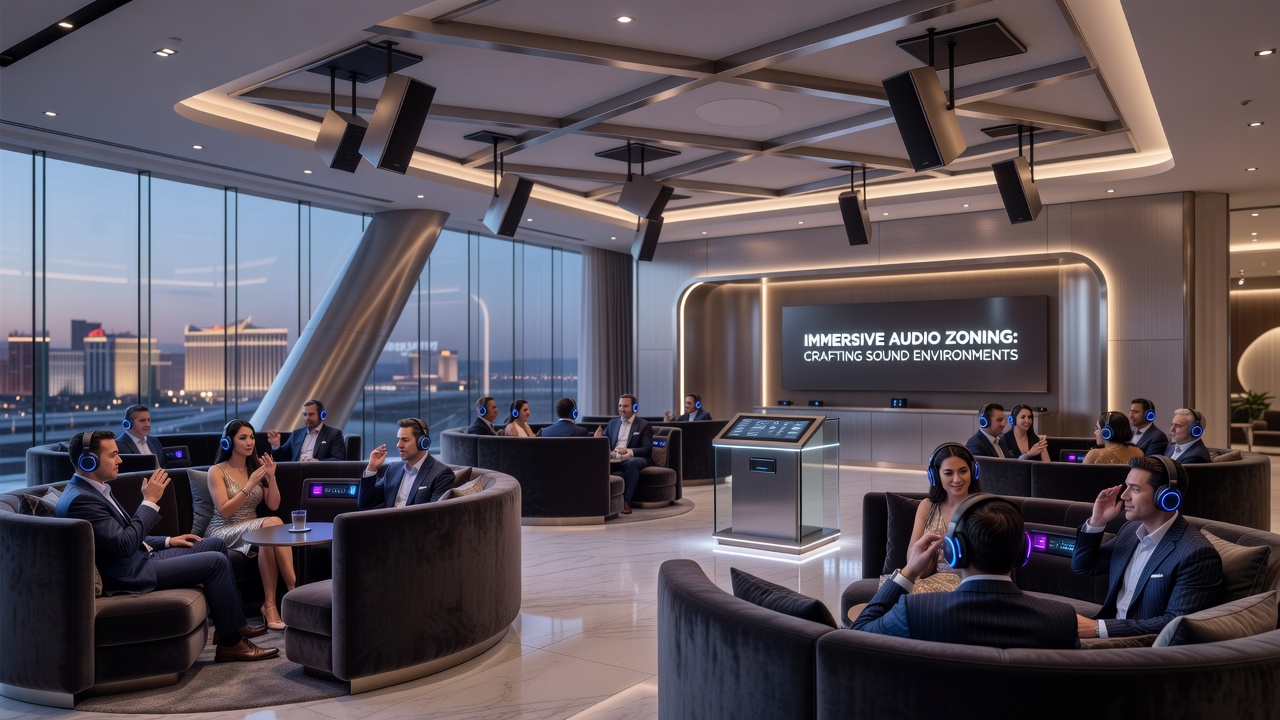
Crafting Immersive Sound Environments Through Specialized Audio Zoning in Expansive Las Vegas Resort Entertainment Zones
Resorts across Las Vegas have developed specialized audio zoning systems that divide expansive entertainment areas into distinct acoustic regions, allowing operators to deliver tailored soundscapes without cross-contamination between zones, and these setups rely on directional speakers, digital signal processing, and real-time monitoring to maintain clarity in high-traffic spaces such as casino floors, pool decks, and performance venues.
Engineers configure these zones through arrays of beam-forming loudspeakers that direct audio precisely to targeted listener areas, while absorption panels and reflective surfaces help contain sound within boundaries, and data from venue sensors continuously adjusts output levels based on occupancy patterns recorded throughout the day.
Core Components of Audio Zoning Systems
Modern installations incorporate networked audio processors that segment environments into micro-zones as small as individual gaming tables or lounge clusters, and this granularity enables operators to layer background music, ambient effects, and live announcements without interference, while synchronization software aligns timing across hundreds of speakers to prevent echoes or dead spots.
Resort teams integrate these systems with building management platforms that factor in variables like crowd density and external noise from nearby construction or traffic, and studies coordinated by the Acoustical Society of America have documented how such adaptive controls reduce overall decibel fluctuations by measurable margins in comparable large-scale venues.
Implementation Across Resort Districts
Properties on the Las Vegas Strip have phased in zoning upgrades over recent years, beginning with high-traffic gaming areas where slot machine audio must remain localized to avoid bleeding into adjacent dining or retail sections, and technicians position ceiling-mounted line arrays alongside floor-level subwoofers to create vertical sound columns that focus energy downward.
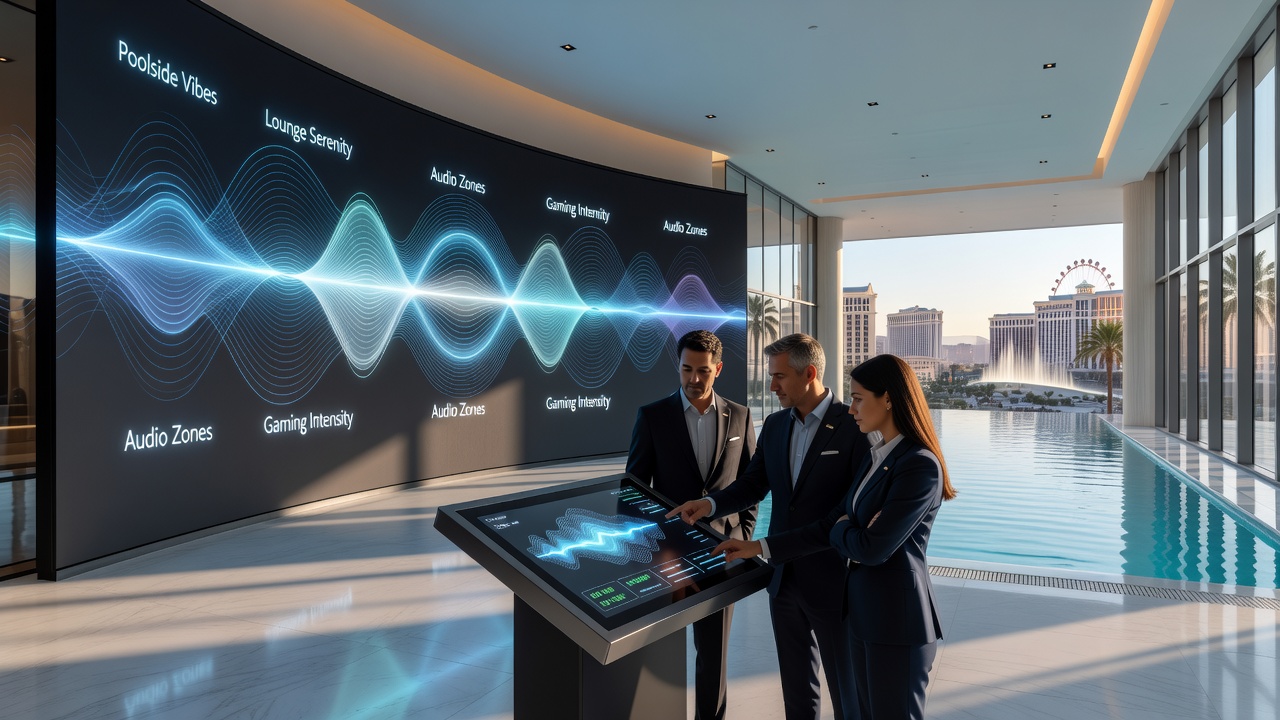
Pool complexes receive separate zoning treatment that emphasizes low-frequency immersion for music events while preserving conversational clarity near cabanas, and operators achieve this balance through frequency-specific filtering that attenuates certain ranges outside designated boundaries, with calibration sessions repeated seasonally to account for changing wind patterns and humidity levels.
Technical Standards and Monitoring Practices
Maintenance crews conduct quarterly audits using calibrated microphones placed at zone perimeters to verify containment thresholds, and any deviations trigger automated recalibration routines that adjust gain and phase parameters across the network, while records from these checks feed into predictive models that forecast equipment wear based on usage hours logged since the last service interval.
Industry reports compiled through the Audio Engineering Society outline recommended practices for multi-zone deployments in entertainment facilities, emphasizing the importance of redundant power supplies and failover protocols that keep systems operational during peak evening hours when multiple events run concurrently.
Developments Scheduled for November 2026
Resort operators have announced plans to expand zoning capabilities ahead of major conventions and holiday programming in November 2026, incorporating new spatial audio formats that allow individualized sound delivery through personal devices synced to zone networks, and preliminary testing indicates these additions will support higher resolution immersive content without increasing overall venue sound pressure levels.
Integration with emerging wireless protocols will enable real-time guest feedback loops that refine zone boundaries dynamically during live performances, and engineering teams from multiple properties are coordinating shared testing protocols to standardize measurement methods across the corridor of interconnected resorts.
Conclusion
Audio zoning continues to evolve as a foundational element of Las Vegas resort operations, with ongoing refinements driven by sensor data, regulatory guidelines, and technological advances that prioritize precise sound control across large entertainment footprints, and facilities that maintain these systems report sustained improvements in acoustic separation that support diverse programming without compromising guest experience in neighboring areas.