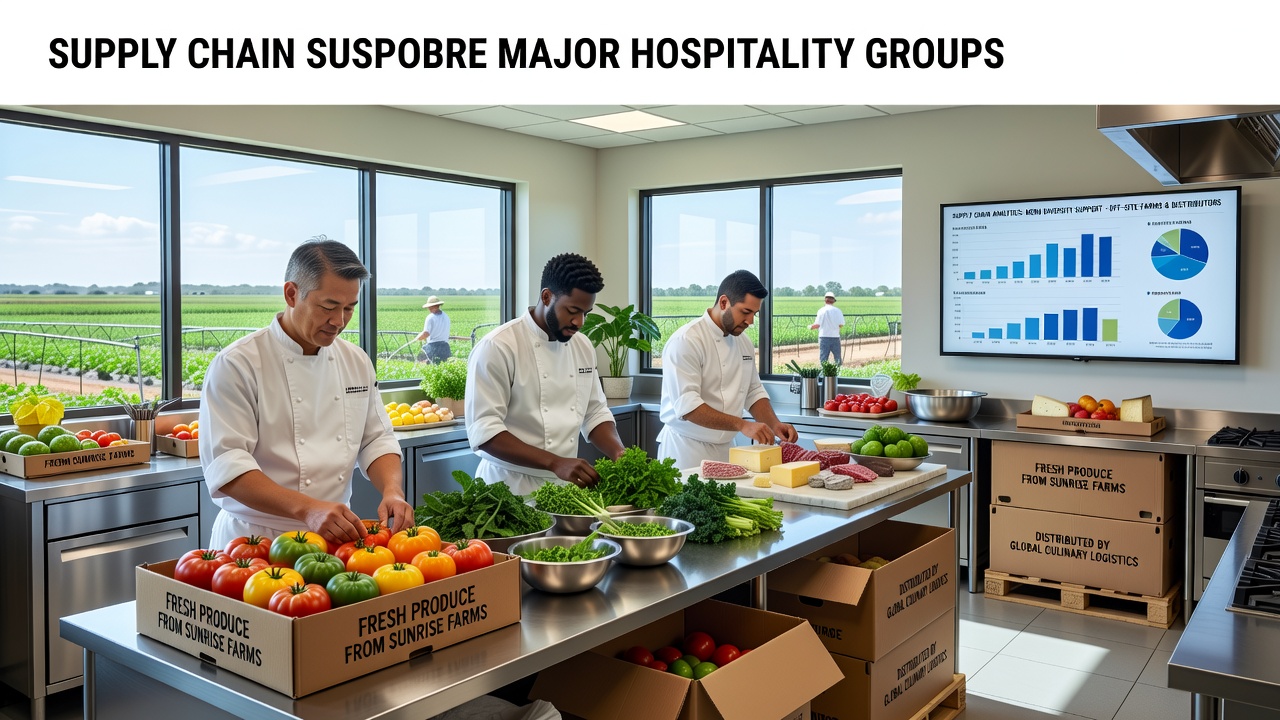
Culinary Supply Chains: How Off-Site Farms and Distributors Support the Diverse Menu Demands of Major Hospitality Groups
Major hospitality groups operate restaurants and catering services that span multiple cuisines and dietary preferences, and they rely on coordinated networks of off-site farms along with specialized distributors to maintain consistent quality and variety. These operations source ingredients from regional producers while incorporating global products that align with seasonal availability and guest expectations. Data from agricultural monitoring programs shows that such supply chains move millions of pounds of produce, proteins, and specialty items each month, with logistics systems designed to minimize spoilage and meet precise delivery windows at hotel and resort properties.
Off-Site Farms as Primary Sourcing Hubs
Off-site farms function as the foundational layer in these networks, cultivating crops and raising livestock under contracts that specify volume, quality standards, and harvest timing. Large hospitality operators work with farms located hundreds of miles from their properties to secure steady supplies of items like heirloom tomatoes, microgreens, and heritage breed poultry. According to reports from the USDA Economic Research Service, contract farming arrangements have expanded because they allow buyers to lock in pricing and production schedules months ahead, which supports menu planning across dozens of outlets within a single hospitality portfolio.
Farms often diversify their output to match the range of demands from hotel groups, growing both commodity staples and niche varieties for international dishes or allergen-free preparations. Irrigation and soil management techniques at these facilities incorporate precision agriculture tools that track yield data and adjust inputs in real time, ensuring the farms can scale production without compromising consistency. One study from agricultural extension services documented how farms serving hospitality clients reduced water usage by 15 percent over five years while increasing output of specialty lettuces and herbs required for rotating menus.
Distributor Networks and Logistics Coordination
Distributors bridge the gap between scattered farm locations and centralized hospitality kitchens by managing cold-chain transport, consolidation points, and last-mile delivery. These companies maintain fleets equipped with temperature-controlled compartments that handle everything from fresh seafood to imported spices, and they operate regional hubs that aggregate products from multiple suppliers before routing them to individual properties. Industry figures indicate that coordinated distributor systems can cut transit times by up to 30 percent compared with direct farm-to-property shipments, which proves critical when menus feature time-sensitive ingredients like live shellfish or delicate pastries.
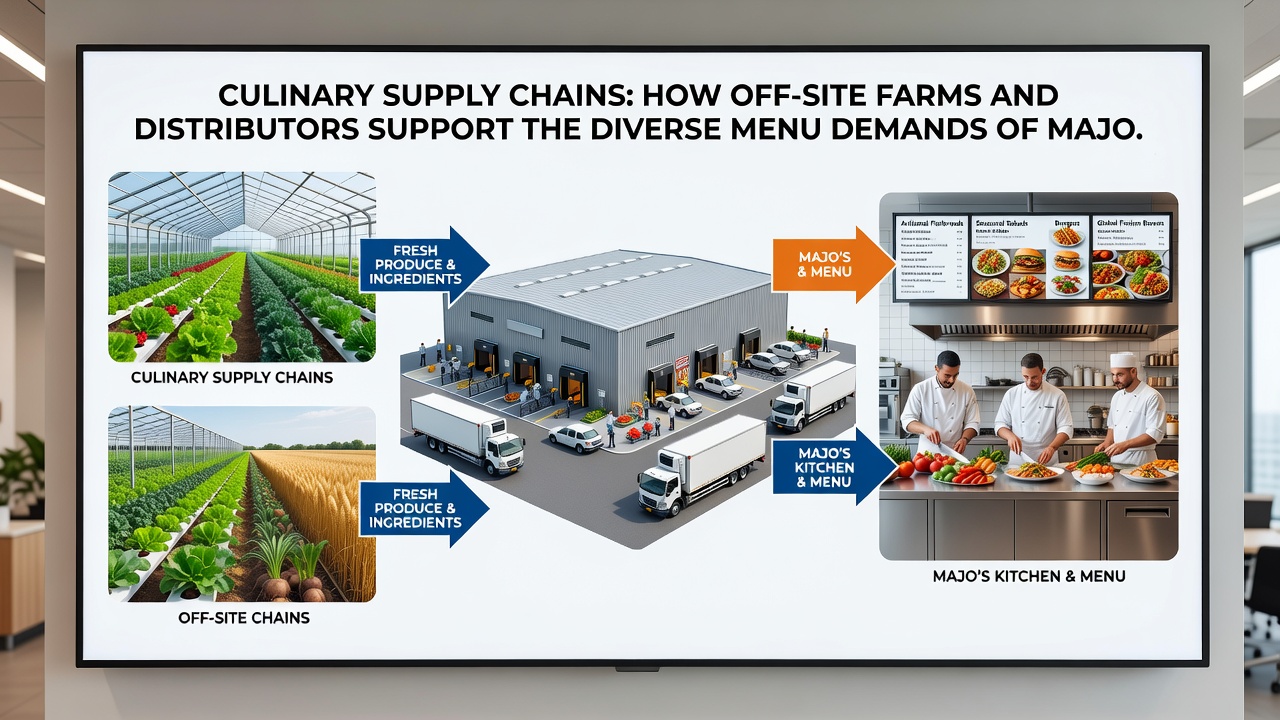
Inventory management software used by distributors integrates with hospitality purchasing platforms so that order forecasts update automatically based on reservation trends and event calendars. This synchronization allows adjustments for high-demand periods, such as the increased volume of root vegetables and game meats often requested in November 2026 for holiday banquets and tasting menus. Distributors also maintain compliance documentation for food safety regulations across different jurisdictions, which covers traceability from farm origin through final delivery.
Meeting Diverse Menu Requirements
Hospitality groups frequently update menus to incorporate regional flavors, plant-based alternatives, and globally sourced ingredients, and the supply chain must accommodate these shifts without disrupting daily operations. Off-site farms respond by planting test plots of new varieties requested by corporate chefs, while distributors source certified organic or fair-trade products from overseas partners when domestic options fall short. Research published by university food systems programs highlights how integrated supplier portals allow real-time visibility into availability, helping procurement teams substitute items when weather events affect specific growing regions.
Specialized handling protocols cover items like wagyu beef from Australian producers or matcha from Japanese cooperatives, each requiring distinct storage and transport conditions. Distributors that serve major hospitality clients often maintain dedicated lanes for halal, kosher, and gluten-free products, ensuring segregation during packing and transit to prevent cross-contamination. These capabilities support the execution of multi-concept dining venues within single properties, where one outlet might feature Mediterranean small plates while another focuses on Southeast Asian street food adaptations.
Technology Integration and Risk Management
Digital tracking systems now link farm sensors, distributor warehouses, and kitchen receiving docks so that any deviation in temperature or delay triggers immediate alerts. Hospitality groups use these platforms to verify that ingredients meet sustainability benchmarks established by third-party auditors. Data aggregated from such networks shows measurable reductions in waste, with some operators reporting a 12 percent drop in spoilage after adopting blockchain-based traceability for high-value proteins.
Contingency planning forms another layer, with farms and distributors maintaining relationships across multiple growing zones to offset risks from drought, disease, or regulatory changes. When one region experiences shortfalls, alternative suppliers activate under pre-negotiated terms that preserve both price stability and delivery reliability. Observers note that these redundancies have become standard practice among hospitality groups operating in multiple states or countries.
Conclusion
Off-site farms and distributors together form resilient supply chains that enable major hospitality groups to deliver varied menus across their properties while maintaining quality and safety standards. The combination of contracted production, coordinated logistics, and digital oversight supports both everyday operations and peak seasonal demands. Continued investment in these networks reflects the scale of food volumes required by large-scale hospitality operations and the complexity of satisfying diverse guest preferences.