Integrating Vintage Automotive Collections into Resort Lobby Designs Across Las Vegas Properties
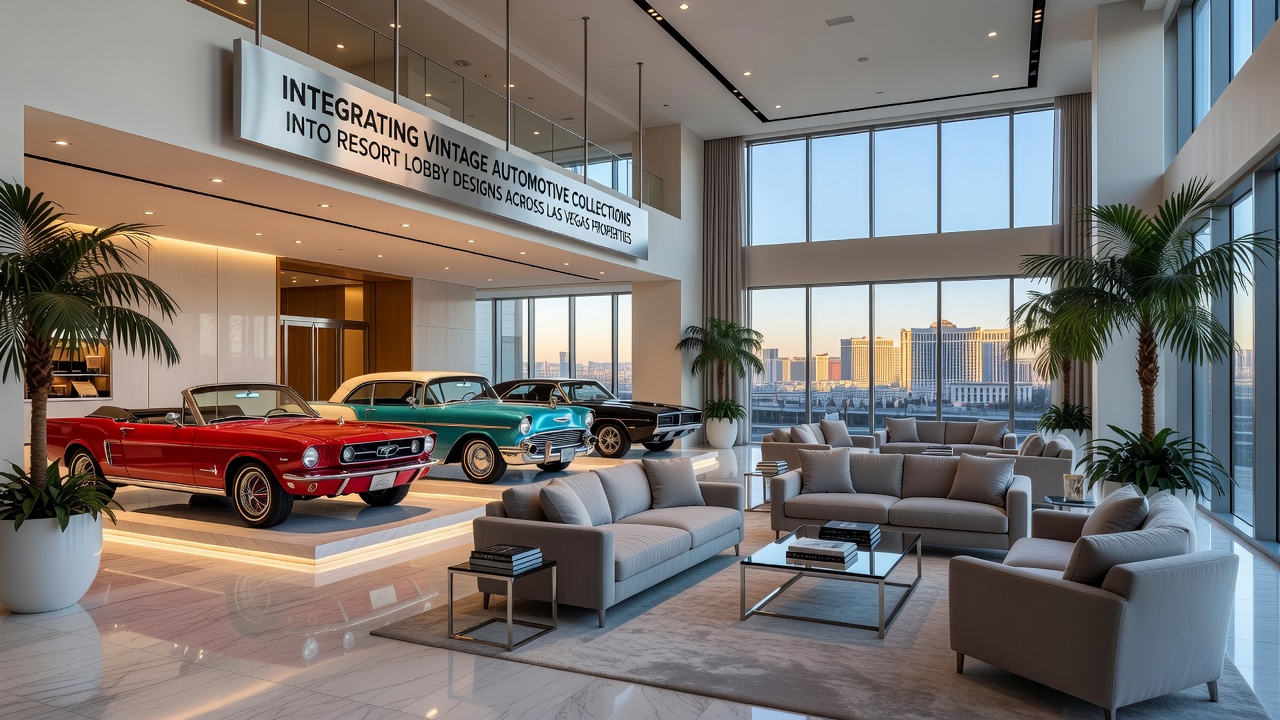
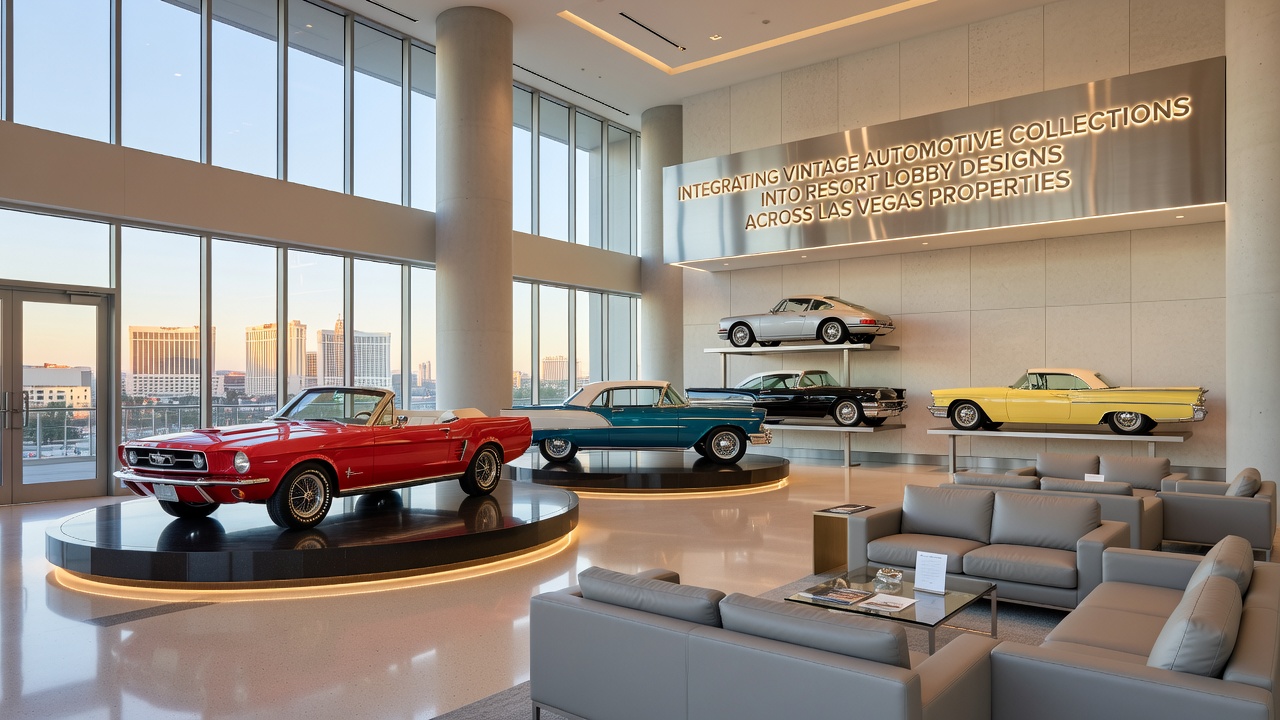
Las Vegas resort properties have incorporated vintage automotive collections into lobby spaces for decades, creating visual anchors that reference the city's automotive heritage and mid-century development patterns. Properties along the Strip and in downtown areas position restored vehicles from the 1950s through 1970s as central design elements, often pairing them with period-appropriate lighting, wall treatments, and floor materials that reflect the era of each car.
Historical Context of Automotive Displays
Resort operators began placing classic vehicles in public areas during the expansion phases of the 1980s and 1990s when properties sought distinctive thematic identities. Data from the Nevada Resort Association shows that at least twelve major properties have maintained permanent or rotating automotive exhibits since 1995, with several updating their displays every eighteen to twenty-four months to coincide with restoration cycles and new acquisitions. These installations draw from private collections and museum loans rather than operating as standalone attractions.
Design Integration Strategies
Design teams coordinate vehicle placement with architectural sightlines so that each car serves as a focal point without obstructing guest circulation paths. Engineers calculate floor load capacities before installation, then secure chassis points to reinforced subfloors while maintaining the appearance of vehicles resting on original tires or display platforms. Lighting designers use LED arrays with color temperatures matched to historical photographs of each model, reducing heat output near upholstery and paint surfaces.
Properties such as those operated by major hospitality groups have worked with firms specializing in automotive conservation to control humidity levels around the displays. Sensors embedded in display cases monitor temperature fluctuations and trigger adjustments through the building's central management system, keeping conditions within ranges recommended by conservators.
Featured Properties and Collections
One downtown property maintains a rotating selection of pre-1960 Cadillacs and Packards positioned near registration desks, while a Strip-adjacent resort displays a 1969 Camaro alongside 1950s-era signage recovered from former motels. Another property features a 1957 Thunderbird suspended above a seating area, its undercarriage visible through a mirrored ceiling panel that also reflects lobby traffic patterns.
These installations often connect to larger property narratives. Observers note that vehicles from the postwar period appear in lobbies designed around themes of westward expansion, whereas muscle cars from the late 1960s align with entertainment-focused spaces that reference the city's entertainment evolution during that decade.
Maintenance and Conservation Practices
Facilities teams conduct weekly inspections of paint finishes, chrome plating, and interior materials using non-invasive techniques developed by automotive museum professionals. Quarterly detailing follows protocols established by organizations such as the Petersen Automotive Museum, including climate-controlled storage of spare parts and periodic engine-turning demonstrations for select vehicles that remain operational. Insurance carriers require documented chain-of-custody records for loaned pieces, prompting resorts to maintain detailed acquisition logs that track provenance and restoration history.
Guest Experience and Wayfinding
Visitor surveys conducted by the Las Vegas Convention and Visitors Authority indicate that automotive displays rank among the most photographed lobby features at participating properties. Wayfinding signage incorporates car models as reference points, directing guests toward restaurants or elevators by referencing the vehicle nearest those destinations. Digital directories update automatically when collections rotate, ensuring accurate location references remain available through property mobile applications.
Upcoming Developments in 2026
Planning documents filed with Clark County show that two additional properties intend to unveil expanded automotive installations in July 2026, timed with the annual Las Vegas Concours d'Elegance. These projects include climate-controlled vitrines for open-top vehicles and interactive touchscreens that display restoration timelines alongside each car. Project timelines list completion targets in the second quarter of 2026, allowing final calibration of lighting and environmental controls before public debut.
Conclusion
Las Vegas resort properties continue to refine methods for displaying vintage automotive collections within lobby environments, balancing preservation requirements with guest circulation needs and thematic storytelling. Coordinated efforts among designers, conservators, and facilities teams sustain these installations while supporting property operations. As new projects advance toward 2026 openings, the approach to integration remains consistent with established practices that prioritize both visual impact and long-term conservation standards.