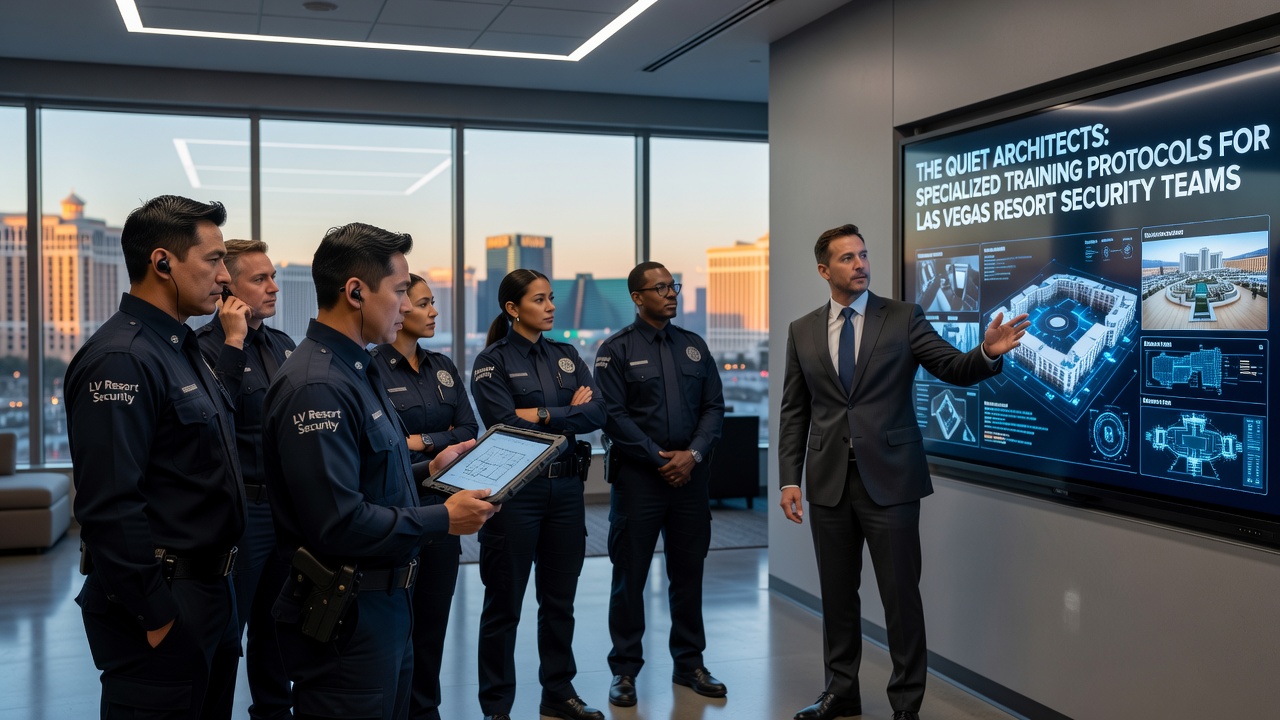
The Quiet Architects: Specialized Training Protocols for Las Vegas Resort Security Teams
Security teams at major Las Vegas resorts operate through layered training systems that emphasize observation, coordination, and rapid response while maintaining the flow of guest activity across expansive properties. These protocols draw from a combination of gaming regulations, local law enforcement partnerships, and industry standards that have evolved alongside the growth of the Strip's resort complexes.
Foundational Training Components
Initial certification programs require participants to complete modules on behavioral pattern recognition, access control procedures, and documentation standards set by the Nevada Gaming Control Board. Trainees practice identifying indicators of potential incidents through simulated floor scenarios that replicate peak evening hours, and they learn to log observations without disrupting operations. Resorts coordinate these sessions with periodic refreshers that incorporate updates from the American Gaming Association on emerging technologies such as integrated camera networks and radio communication systems.
Advanced modules shift focus to crowd dynamics and de-escalation tactics tailored to high-density environments like pool decks and gaming floors. Instructors use data from past events to illustrate movement patterns during conventions and holiday weekends, allowing teams to rehearse positioning strategies that minimize bottlenecks while preserving sightlines for surveillance personnel.
Surveillance and Technology Integration
Specialized tracks address the deployment of real-time analytics tools that route footage from thousands of cameras into centralized monitoring stations. Staff members receive instruction on interpreting heat maps and anomaly alerts generated by server farms located beneath resort properties, a setup that supports quick decisions on table game oversight and pedestrian flow adjustments. As of October 2026, several properties have incorporated additional training on encrypted data transmission protocols following regulatory guidance from state oversight bodies.
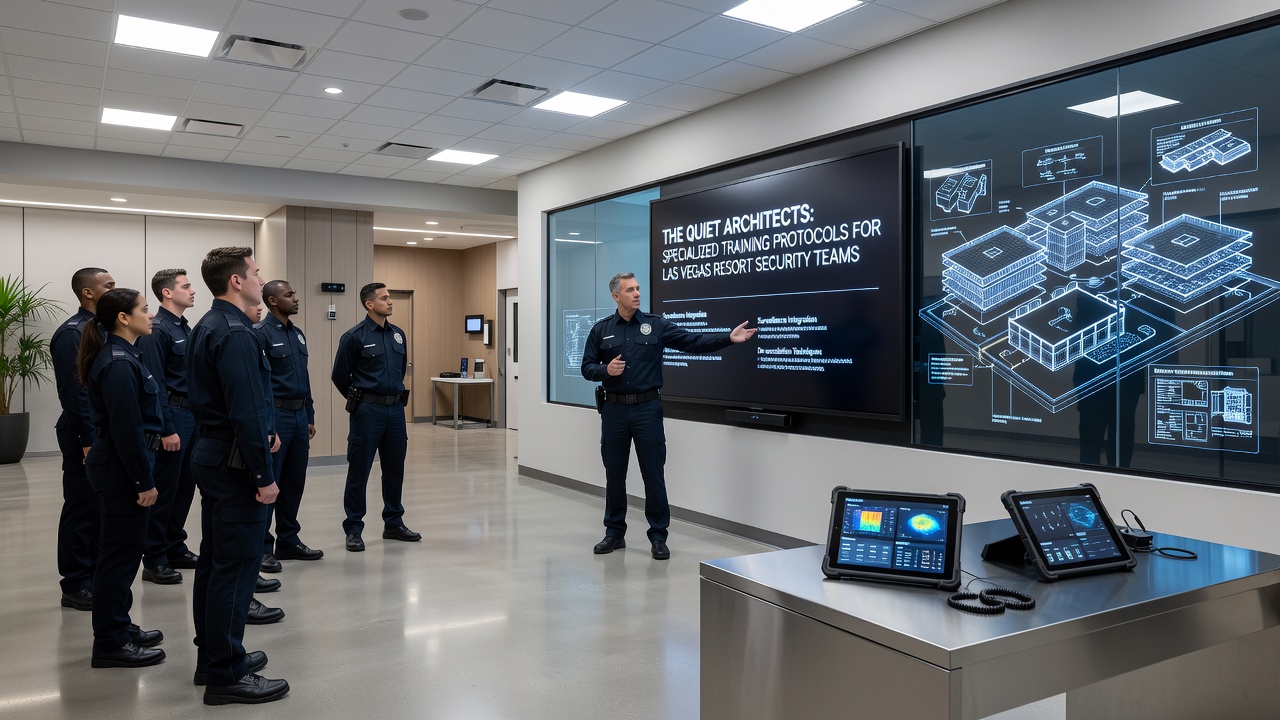
Joint exercises with external agencies further refine these skills. Teams participate in tabletop drills that simulate coordinated responses across multiple venues, drawing on resources from the Las Vegas Metropolitan Police Department and regional emergency management offices. Such sessions emphasize chain-of-command clarity and the use of shared communication channels that prevent overlap during incidents ranging from medical emergencies to unauthorized access attempts.
Interagency Collaboration and Scenario-Based Drills
Resort security leadership maintains ongoing relationships with federal and state agencies to align internal protocols with broader threat assessment frameworks. Annual workshops hosted through the International Association of Chiefs of Police provide exposure to case studies from other large-scale entertainment districts, allowing Las Vegas teams to adapt proven methods for managing transient populations and VIP movements. Participants practice documentation procedures that satisfy both corporate liability requirements and regulatory reporting standards without creating delays in guest services.
Scenario training often occurs during off-peak periods to avoid interference with live operations. Instructors introduce variables such as language barriers, mobility limitations, and group behaviors that reflect the international visitor base common in Las Vegas. Feedback sessions afterward focus on measurable outcomes like response times and accuracy of incident reports rather than subjective performance notes.
Ongoing Professional Development
Continuing education requirements ensure that security personnel stay current with changes in Nevada statutes and technological advancements. Online modules supplemented by in-person evaluations cover topics such as chemical hazard awareness for pool and fountain areas plus updated guidelines on evidence preservation for potential legal proceedings. Resorts track completion rates through internal databases that feed into compliance audits conducted by state regulators.
Cross-training opportunities allow select team members to rotate through surveillance, patrol, and command center roles, building redundancy that supports 24-hour coverage across large properties. This approach mirrors practices documented in reports from the Canadian Centre for Justice and Community Safety Research, which highlights the value of versatile staffing models in high-traffic hospitality settings.
Conclusion
Training protocols for Las Vegas resort security teams continue to adapt through structured programs that integrate regulatory compliance, technological tools, and interagency coordination. These systems support consistent operations across properties that host millions of visitors annually while meeting standards established by state and industry bodies.