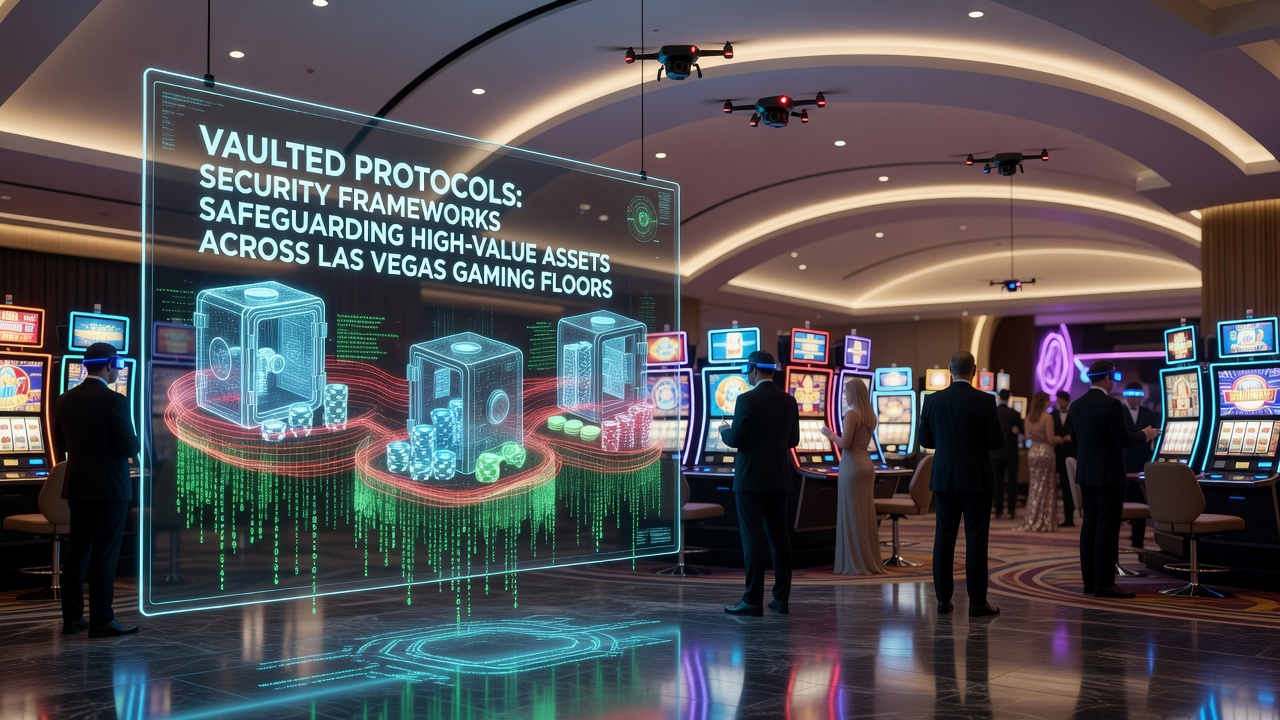
Vaulted Protocols: Security Frameworks Safeguarding High-Value Assets Across Las Vegas Gaming Floors
Las Vegas gaming floors operate under layered security frameworks designed to protect chips, cash, and other high-value assets from theft and fraud, and these systems combine physical barriers with digital tracking technologies. Observers note that casino operators coordinate with state regulators to maintain compliance while minimizing disruptions to guest experiences, and data from industry reports shows that such measures handle billions in transactions each year across the Strip and downtown properties.
Surveillance and Monitoring Networks
Closed-circuit television systems cover every table, slot bank, and cashier cage with overlapping camera angles that feed into centralized control rooms staffed around the clock. Researchers have documented how facial recognition software and behavior analytics flag unusual patterns in real time, allowing security teams to respond before incidents escalate. Those systems integrate with motion sensors and access logs to create audit trails that regulators review during routine inspections, and experts point out that this continuous monitoring extends to back-of-house areas where cash counts occur.
Lighting adjustments and blind-spot elimination form part of the physical design, while software updates occur on scheduled cycles to address emerging threats. Data indicates that surveillance footage retention periods meet or exceed Nevada requirements, which supports both internal investigations and external audits when discrepancies arise.
Asset Tracking and Vault Operations
Radio-frequency identification tags embedded in gaming chips allow real-time location tracking from the moment they leave the vault until they return, and this technology reduces shrinkage by alerting staff to chips that move outside authorized zones. Cash handling procedures involve dual verification at multiple checkpoints, with armored transport teams moving funds between gaming areas and secure vaults that feature biometric locks and timed access protocols. Those who've studied these operations note that vault designs incorporate blast-resistant materials and redundant alarm systems connected directly to local law enforcement dispatch centers.
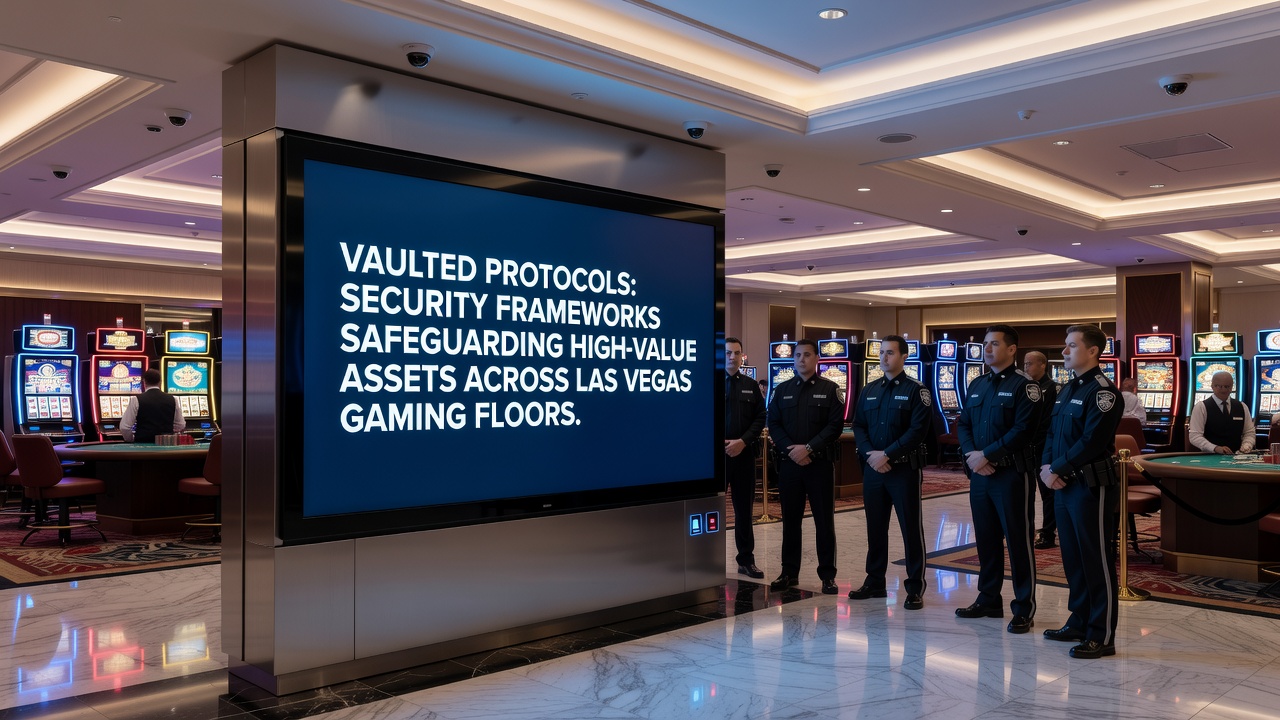
Procedures require at least two employees to complete any transfer above a set threshold, and digital logs timestamp every action for later reconciliation. Industry figures reveal that these protocols align with standards set by the Nevada Gaming Control Board, which conducts unannounced audits to verify adherence. What's interesting is how operators have begun testing blockchain-based ledgers for chip inventory in select properties, with full rollout targeted for July 2026 according to planning documents shared with regulatory bodies.
Regulatory Oversight and Compliance Standards
The Nevada Gaming Control Board establishes minimum security requirements that all licensed facilities must follow, covering everything from camera resolution to employee background checks. Additional guidance comes from the South Australian Independent Gambling Authority, whose comparative studies on cross-jurisdictional best practices inform ongoing refinements in Las Vegas protocols. Compliance teams conduct internal reviews quarterly, and findings feed into training programs that emphasize both technical skills and ethical decision-making.
Third-party certification bodies perform annual assessments that evaluate everything from network cybersecurity to physical perimeter integrity, and operators adjust staffing levels based on peak periods such as major sporting events or conventions. Evidence suggests that these multi-layered checks contribute to lower incident rates compared with earlier decades when manual processes dominated asset management.
Technological Integration and Future Developments
Artificial intelligence tools now analyze transaction patterns across thousands of gaming devices simultaneously, flagging outliers that might indicate collusion or tampering. Integration with property-wide management systems allows security alerts to trigger automatic table shutdowns or additional camera focus without requiring human intervention at every step. Observers have noted that these advancements reduce response times while maintaining the flow of play on busy floors.
Wireless sensor networks monitor environmental conditions inside vaults to protect against tampering attempts that involve temperature or humidity changes, and encryption standards for data transmission meet federal guidelines for financial information. Training simulators help new hires practice incident response in virtual environments that mirror real casino layouts, ensuring consistency across shifts and properties.
Conclusion
Security frameworks across Las Vegas gaming floors rely on coordinated physical, digital, and regulatory elements that evolve with technological capabilities and threat landscapes. Operators continue to refine these systems through data-driven adjustments and collaboration with oversight agencies, and the scheduled technology integrations set for July 2026 represent the next phase in that ongoing process. Those frameworks ultimately support the integrity of high-stakes operations while accommodating the high volume of activity that defines the destination.